

Pigmentation & Dark Spots
Clearer skin starts with understanding what's driving your pigment.
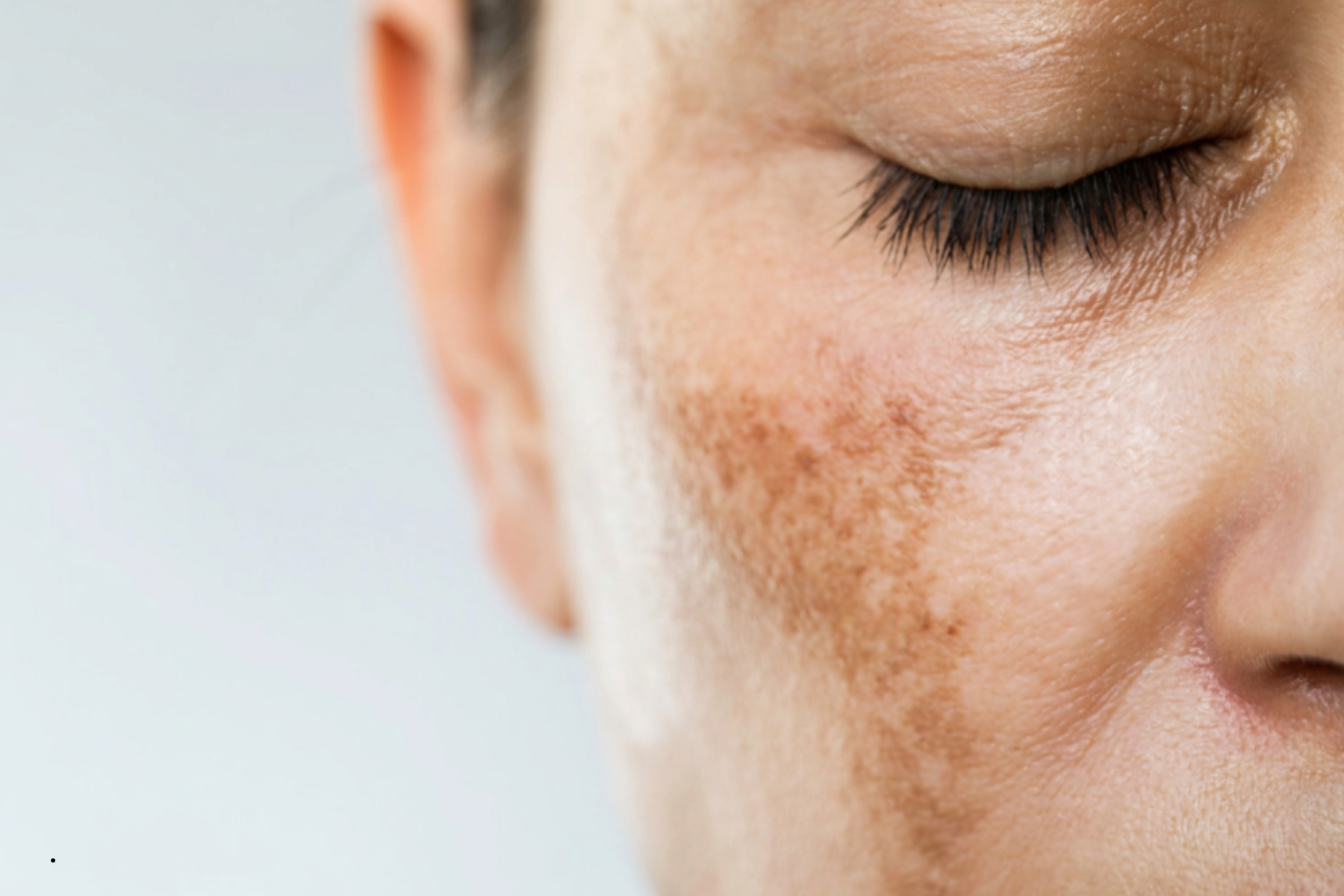
Dark spots can have many different causes, making an accurate diagnosis the first step toward effective treatment. They may be the result of melasma, sun spots, freckles, or develop after acne, irritation, or skin injury.
As a board-certified dermatologist in Scottsdale, I take a personalized approach to pigmentation by considering hormonal influences, ultraviolet and visible light exposure, heat, inflammation, skincare habits and other factors that may be contributing.
The goal isn't simply to improve today's pigmentation, it's to develop a long-term strategy that supports healthier, more even-toned skin while helping reduce recurrence over time.
Start your path to clearer skin. Schedule your visit in Scottsdale.
About Pigmentation, Melasma & Dark Spots
-
Not every brown spot is the same.
Pigmentation concerns often look similar but can have very different causes. Melasma, sun spots and post-inflammatory hyperpigmentation can all appear as dark patches on the skin, yet each requires a different treatment approach.
My approach begins with an accurate diagnosis and an understanding of the factors contributing to your pigmentation. From there, I create a personalized treatment plan that may include medical skincare, in-office procedures, sun protection strategies and long-term maintenance designed to improve pigmentation while supporting the overall health of your skin.
-
Not every dark spot is the same.
One of the most important steps in treating pigmentation is identifying what's causing it. While many people describe all discoloration as "hyperpigmentation," there are several different pigment conditions that can look similar but require different treatment strategies.
Melasma
Triggered by hormones, ultraviolet light, visible light and heat. Often appears on the cheeks, forehead, upper lip and chin.
Sun Spots
Also called solar lentigines, these develop after years of cumulative sun exposure and are common with aging.
Post-Inflammatory Hyperpigmentation
Dark marks that develop after acne, eczema, irritation or skin injury.
Freckles
Usually genetically determined and become darker with sun exposure.
-
Ultraviolet (UV) exposure
Visible light
Heat
Hormonal influences
Genetics
Inflammation
Skin injury
Certain medications
-
Medical Grade Skincare
Barrier support
Tyrosinase inhibitors
Retinoids
Hydroquinone
Tranexamic acid
Vitamin C and antioxidants
Oral Medication
Oral tranexamic acid
In-Office Procedures
AdvaTx Laser
Chemical peels
Microneedling
Coolpeel (light CO2)
AdvaPeel (AdvaTx+ light CO2)
Combination treatment plans
Tetra CO2
Long-Term Maintenance
Melasma is a chronic pigment condition, which means maintenance is often an important part of treatment. Long-term success typically involves ongoing sun protection, appropriate skincare and periodic treatments tailored to your skin and goals.
-
✓ Melasma
✓ Sun spots
✓ Uneven skin tone
✓ Post-inflammatory hyperpigmentation
✓ Pigmentation after acne
✓ Pigmentation after cosmetic procedures
-
Schedule a consultation to develop a treatment plan for melasma, hyperpigmentation and long-term skin health that's tailored to your skin, goals and lifestyle.
-
Coming soon